Short Board Games for Big Groups (Under 30 Minutes)
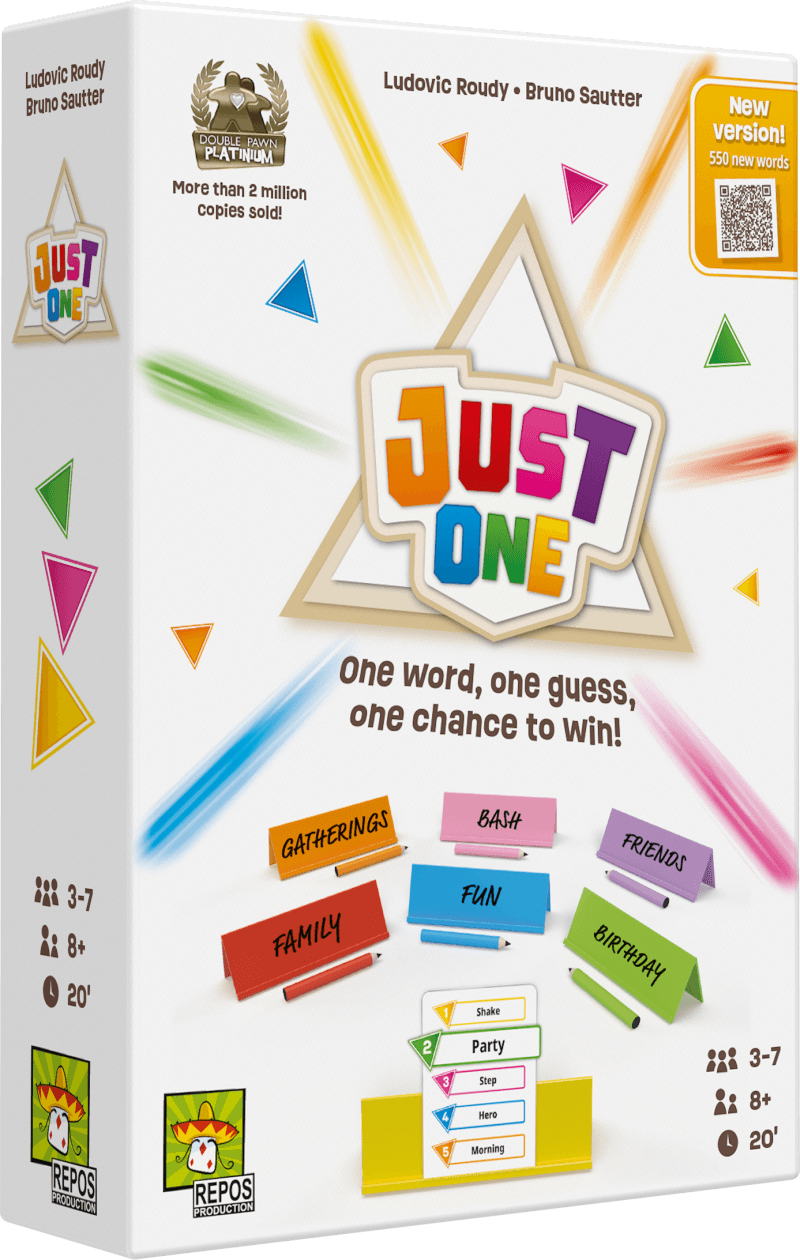
- Best OverallJust One(3-7 players)
👉 One player closes their eyes. A word card goes up — say, "Pyramid". Everyone else secretly writes a one-word clue to help the guesser. Before the guesser opens their eyes, you compare clues. Any duplicates get removed. So if three people wrote "Egypt", all three get cancelled. The guesser only sees the remaining clues. Maybe they're left with "Pharaoh" and "Triangle" and that's enough. Maybe everyone wrote the same thing and they get nothing. That's the whole game. No scoring track, no special powers, no complicated rules. You play 13 cards and count how many the guesser got right. The fun is in the duplicate-cancelling. You want to be helpful, but you also don't want to write the obvious clue that everyone else will write. It creates this tension where you're trying to outthink your own teammates — not to beat them, but to help them differently than everyone else. Works best with 5-7 players. Fewer than that and duplicates rarely happen, which removes the interesting part. It's a Spiel des Jahres winner and probably the single lowest-friction game you can bring to any social gathering.
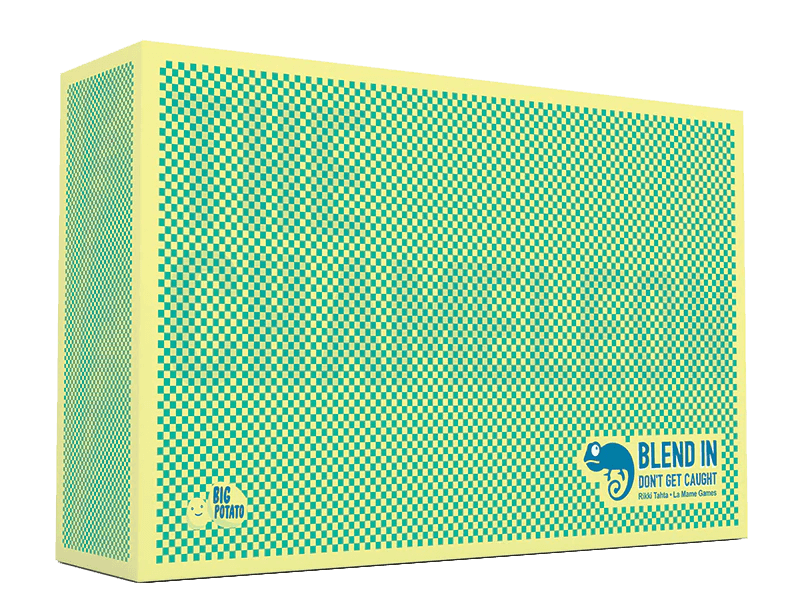
- Best for StrategyThe Chameleon(3-8 players)
👉 Everyone at the table gets a card showing the same secret word from a category grid. Everyone except the chameleon, who gets a blank card and has no idea what the word is. Going around the table, each player says a single word that relates to the secret word. The trick: your clue needs to prove you know the word (so the others don't think you're the chameleon) without being so obvious that the chameleon can figure it out. After one round of clues, everyone votes on who they think the chameleon is. If caught, the chameleon gets one last chance — guess the actual secret word and they escape. A round takes maybe 3 minutes. The whole game is over in 15-20 minutes and you'll probably play 5-6 rounds in that time. It's the kind of game you pull out for 10 minutes before dinner or while someone's setting up a bigger game. Best at 5-8 players. With fewer, the chameleon has almost no cover — there aren't enough clues to hide behind. The category cards are the main replay concern — you'll start seeing the same grids after a few evenings. Some groups make their own categories, which fixes that.
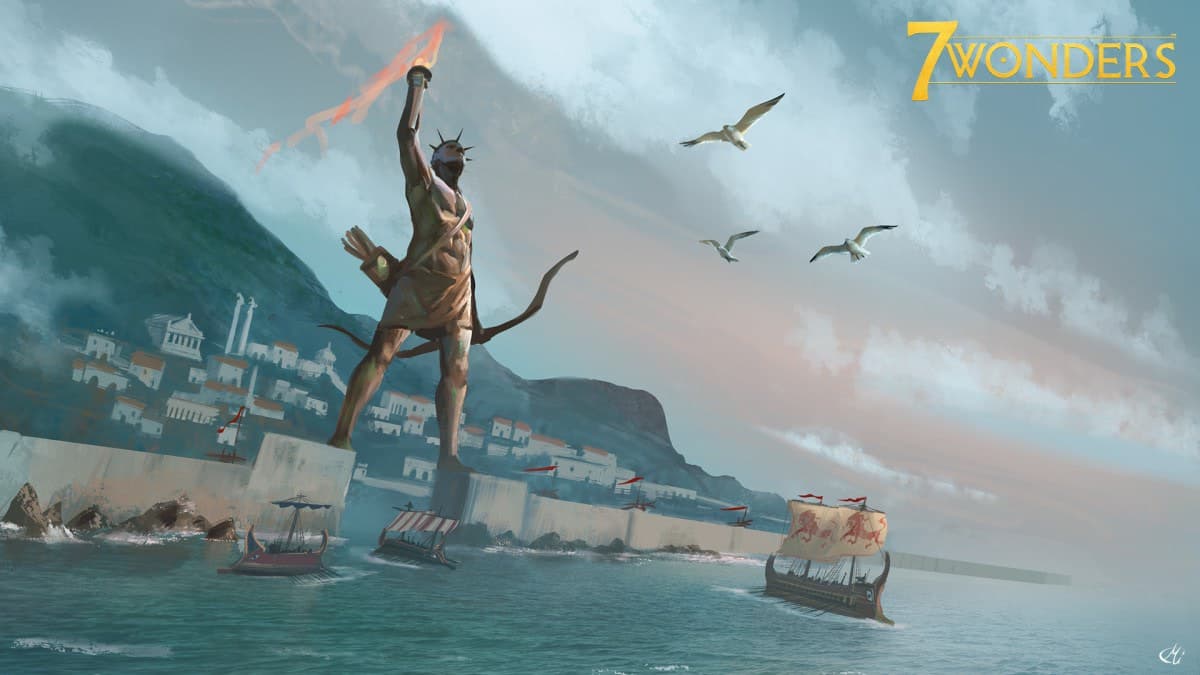
- Great for Beginners7 Wonders(3-7 players)
👉 A card-drafting civilisation game where everyone picks cards simultaneously. You're dealt a hand, pick one card to play, and pass the rest to your neighbour. Then you all reveal at the same time. Repeat until the hand is empty. Do this three times (three "ages") and count up your points. Cards are resources, military, sciences, guilds, and civic buildings. Resources let you build better cards later. Military compares you to your direct neighbours — you only fight the person to your left and right, not the whole table. Science scoring is a set-collection puzzle that rewards specialisation. The reason 7 Wonders has lasted since 2010 is the timing. A 7-player game takes the same 30-35 minutes as a 3-player game, because everyone plays at the same time. There's no waiting. No downtime. No turns that drag because someone's calculating. Each player also has a unique Wonder board with a staged construction track that gives bonuses as you build it. These are asymmetric enough to nudge strategy without overwhelming new players. It's the go-to "proper" strategy game for groups that are too large for most strategy games. The rules take about 10 minutes to teach, the iconography makes sense after one age, and the tactical depth is enough to reward experienced players without punishing newcomers.
Not sure which one to pick?
Let us recommend the best game based on your group's preferences.
👉 Use the Game Finder🎲 Games in this guide