How to Host a Game Night for 10+ People
Above 8 players, most games buckle. Here's exactly how to run a double-digit game night without losing half the room to their phones.
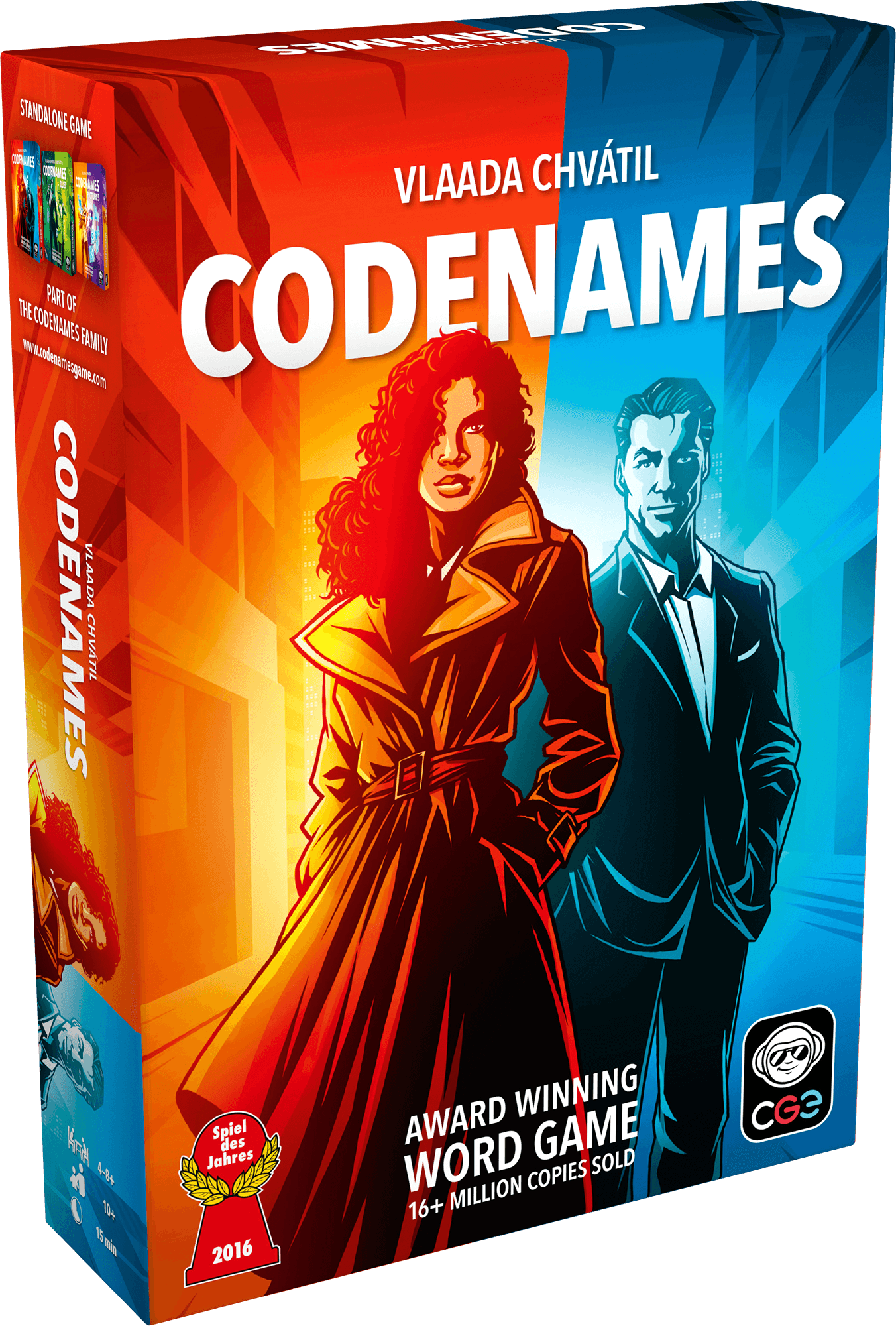
- Best OverallCodenames(2-8 players)
Two teams, each with a spymaster. The spymasters look at a key card showing which words on a 5×5 grid belong to their team. Then they give one-word clues followed by a number — like "Ocean, 3" — hoping their team picks the right three words. Pick a wrong word and you might hand a point to the other team. Pick the assassin word and your team loses immediately. The clue-giving is where the game lives: you're trying to find connections between your team's words that won't accidentally link to your opponents'. It works at any count from 4 to 8, and uneven teams are fine. Turns are fast because guessing is a group conversation, not a solo decision. The spymaster sits in agonised silence while their team debates whether "Ocean" means "Wave", "Blue", or "Fish". It's been around since 2015 and is still the default recommendation for a reason — the rules take 2 minutes, games last 15-20 minutes, and a good clue makes you feel like a genius. There's also a Pictures version and a Duet co-op variant if the original gets stale.
- Best for StrategyThe Chameleon(3-8 players)
Everyone at the table gets a card showing the same secret word from a category grid. Everyone except the chameleon, who gets a blank card and has no idea what the word is. Going around the table, each player says a single word that relates to the secret word. The trick: your clue needs to prove you know the word (so the others don't think you're the chameleon) without being so obvious that the chameleon can figure it out. After one round of clues, everyone votes on who they think the chameleon is. If caught, the chameleon gets one last chance — guess the actual secret word and they escape. A round takes maybe 3 minutes. The whole game is over in 15-20 minutes and you'll probably play 5-6 rounds in that time. It's the kind of game you pull out for 10 minutes before dinner or while someone's setting up a bigger game. Best at 5-8 players. With fewer, the chameleon has almost no cover — there aren't enough clues to hide behind. The category cards are the main replay concern — you'll start seeing the same grids after a few evenings. Some groups make their own categories, which fixes that.
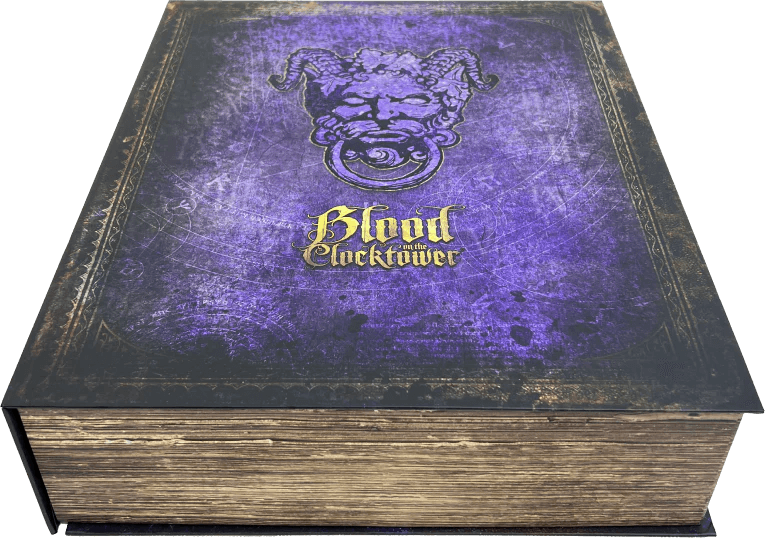
- Great for BeginnersBlood on the Clocktower(5-20 players)
A social deduction game run by a Storyteller, designed for 5-20 players. Each player gets a character token with a unique ability — some are good Townsfolk, some are evil Minions, and one is the Demon trying to kill the town. During the night phase, the Storyteller taps players on the shoulder to use their abilities: the Empath learns how many of their neighbours are evil, the Ravenkeeper gets to check one player when they die, the Poisoner secretly invalidates someone's information. During the day, the town talks, accuses, and votes to execute someone. What separates it from Werewolf: dead players still participate. They can talk, argue, and vote (once). This single rule change fixes the biggest complaint about social deduction — nobody sits out for 45 minutes. The Storyteller isn't neutral. They tweak the game in real time, deciding how abilities interact and keeping things interesting. A good Storyteller makes the game feel like a story arc with rising tension. A bad Storyteller makes it feel arbitrary. There are three difficulty tiers of character scripts. Trouble Brewing is for new groups. Sects & Violets adds poisoned information and confusion. Bad Moon Rising is about damage prevention and healing. Each plays very differently. It's an event game, not a filler. Expect 60-90 minutes per game, plus 15 minutes of setup and explanation. But with the right group, it's the best large-group deduction game that exists.
How to Host a Game Night for 10+ People
Hosting 10 or more people is a different beast than a standard 4-player game night. You can't just put one big box in the middle of the table and hope for the best. Above 8 players, games buckle under their own weight. Turns take twenty minutes, sidebar conversations splinter the group, and half the room ends up on the couch.
If you have a double-digit guest list, you have two options: run a game designed for massive crowds, or split the room. Here is exactly how to manage it.
Option 1: The Splitter
The mistake most hosts make is forcing 12 people to play the same game. You don't have to. Run two separate 6-player tables.
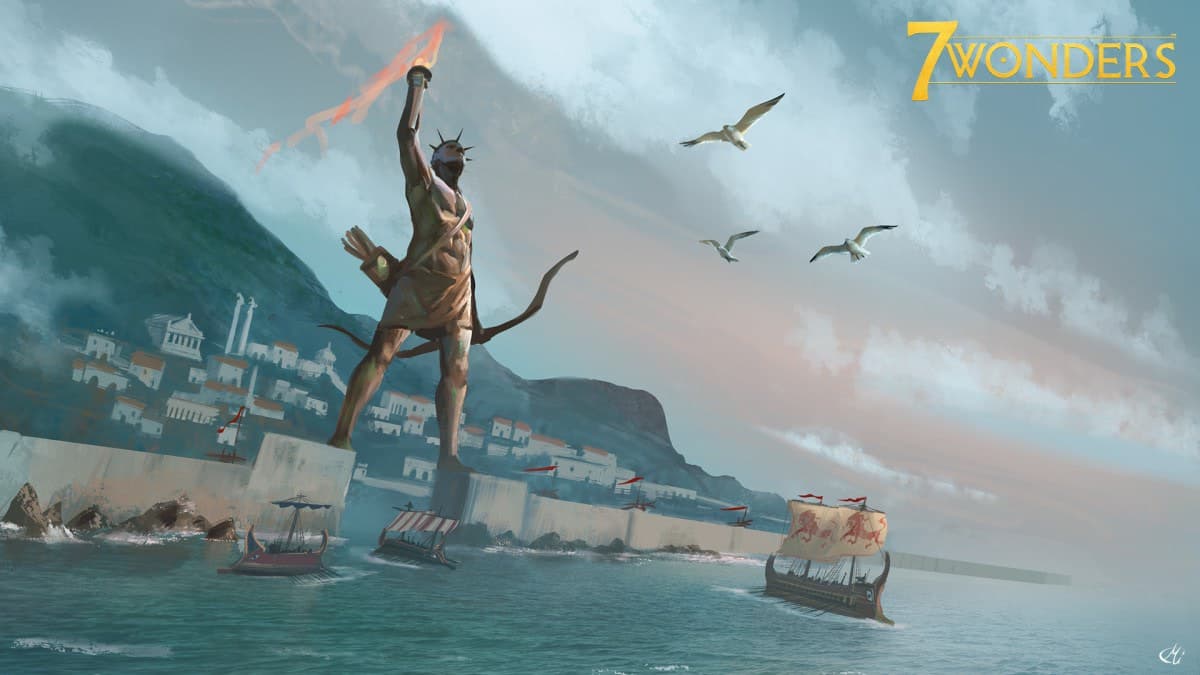
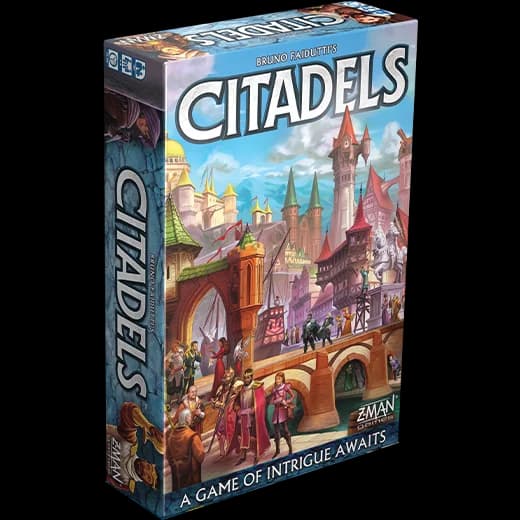
Don't ask the room "who wants to play what?" You'll get fifteen minutes of indecision. Dictate the split. Set up a heavier strategy game (like 7 Wonders or Citadels) in one area, and a lighter, louder party game (like Codenames or The Chameleon) somewhere else.
Announce the options: "If you want to think, go to the table. If you want to yell, go to the couch." People will naturally sort themselves by the energy level they want.
Option 2: Social Deduction at Scale
If you want everyone playing the same game, you need a social deduction game built for large groups.
Blood on the Clocktower (up to 15 players) is the best choice for a big event. It requires you as host to not play and instead run the game as the Storyteller, managing roles, deaths, and information. It's an intense 90-minute experience.
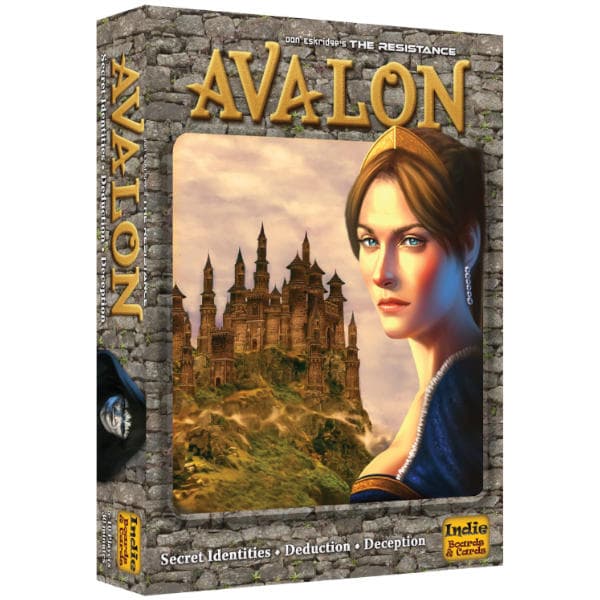
The Resistance: Avalon (up to 10 players) is a tighter, faster option. Put ten people around a table and tell them three are traitors. The game practically runs itself through pure paranoia.
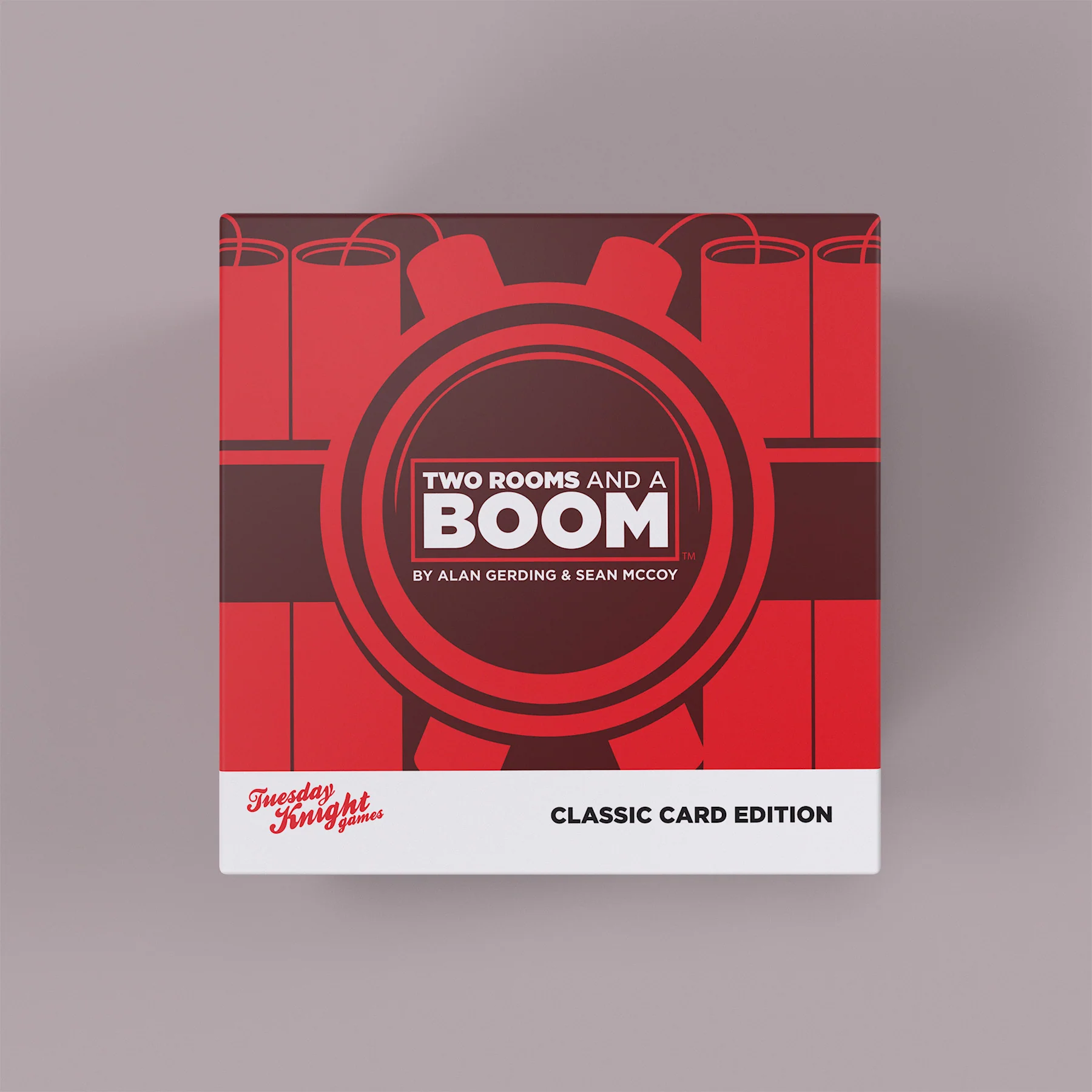
Two Rooms and a Boom (up to 30 players) is what you use if you literally have 15 or more people. You play it standing up, splitting the group into two rooms and negotiating exchanges to keep the President away from the Bomber. It's an event game that creates great stories.
Option 3: Everyone at Once, No Turns
If you want everyone at the same table without the confrontation of social deduction, use games where everyone acts at the exact same time.
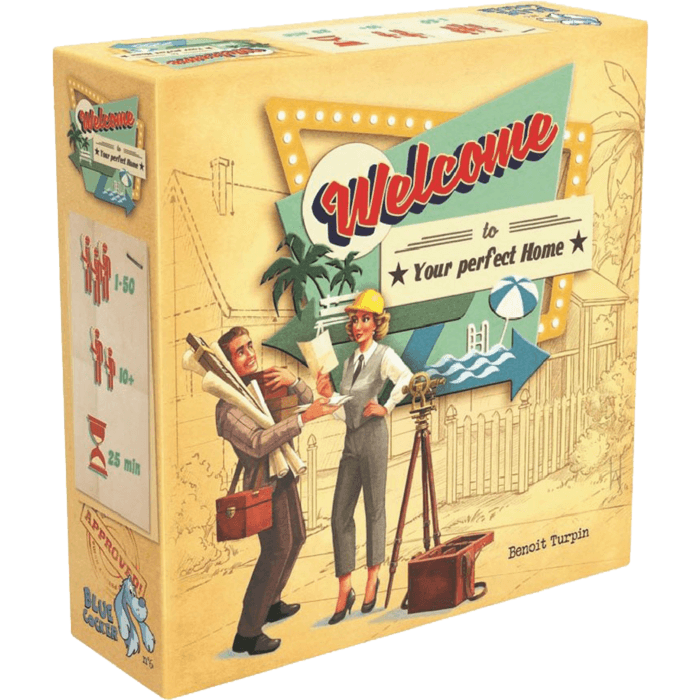
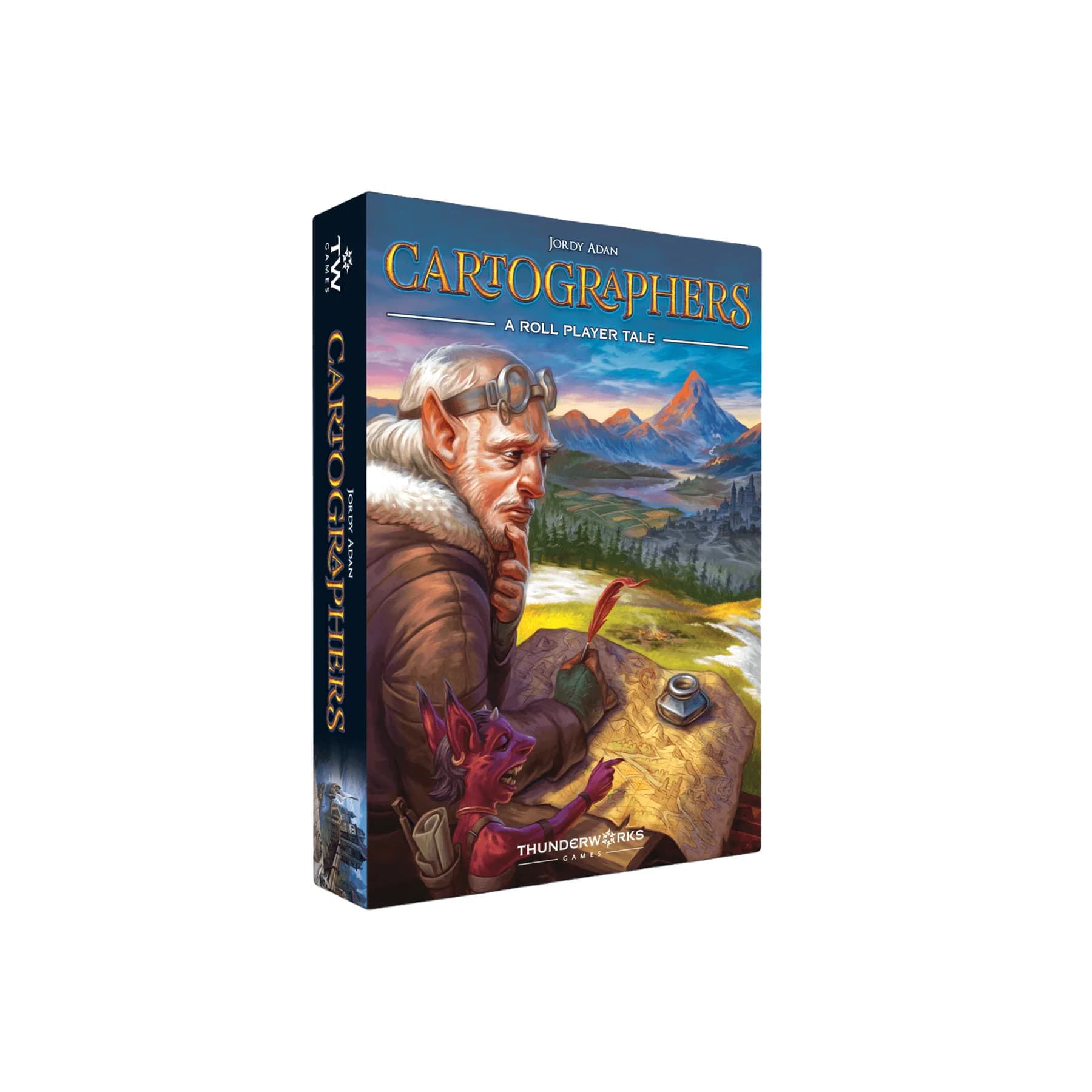
Welcome To and Cartographers both scale infinitely. You reveal cards in the centre, and everyone uses that information to fill out their individual sheet simultaneously. The game takes 30 minutes whether you have four players or forty.
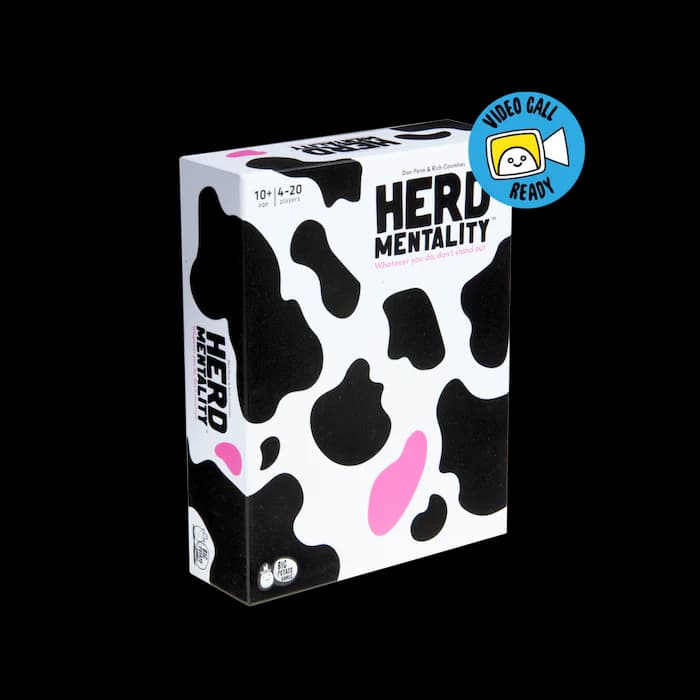
Herd Mentality is another strong pick. You write your answer, reveal simultaneously, and whoever is the odd one out gets the pink cow. It handles huge crowds easily because reading the answers aloud is the core entertainment.
Rules for hosting large groups
No games with complicated turns. If a player has to remember four phases of a turn, you'll lose the crowd.
Keep food away from the components. 12 people means 12 drinks that can be knocked over. Serve food before or after the gaming, not during.
Accept the chaos. A 12-person game night is never going to be a quiet tactical affair. Embrace the table talk, the noise, and the side conversations. The goal is a great evening, not a strictly run tournament.
Not sure which one to pick?
Answer a few quick questions and get a direct recommendation for your group.
Find the right gameLooking for Board Games & Game Night Recommendations?
Explore our group game finder, strategy guides, and game reviews.
🎲 Games in this guide