Best Social Deduction Games for Big Groups
Social deduction has evolved far beyond Mafia. These games fix player elimination, give everyone a job, and actually hold up past six players.
- Best OverallDeception: Murder in Hong Kong(4-12 players)
One player is the forensic scientist. They know who the murderer is and what weapon and evidence they used — but they can't speak. Instead, they place tokens on abstract clue boards (things like "cause of death" or "location") and hope the room figures it out. Everyone else is an investigator, talking through the clues, accusing each other, and trying to piece together the truth. Except one of them is secretly the murderer, trying to deflect attention. Rounds run about 20 minutes. The scientist places a clue, the table erupts in debate, then you vote. If you catch the murderer, the investigators win. If not, the murderer escapes. It works from 4 to 12 players, though 6-8 is the sweet spot where there's enough noise to hide in but not so many people that you lose track. The structure is what makes it better than most social deduction games. The scientist isn't just sitting there — they're actively trying to communicate. And the murderer isn't just denying things — they need to actively push suspicion onto someone else. It gives everyone a job, which keeps the table engaged.
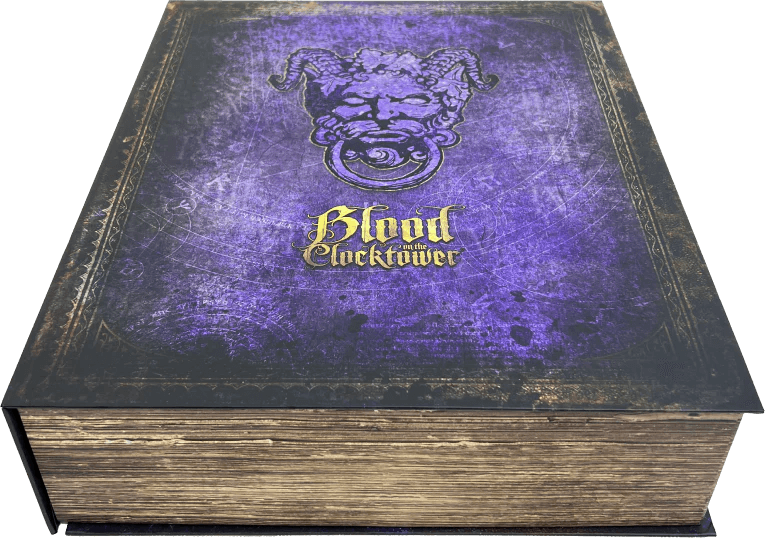
- Best for StrategyBlood on the Clocktower(5-20 players)
A social deduction game run by a Storyteller, designed for 5-20 players. Each player gets a character token with a unique ability — some are good Townsfolk, some are evil Minions, and one is the Demon trying to kill the town. During the night phase, the Storyteller taps players on the shoulder to use their abilities: the Empath learns how many of their neighbours are evil, the Ravenkeeper gets to check one player when they die, the Poisoner secretly invalidates someone's information. During the day, the town talks, accuses, and votes to execute someone. What separates it from Werewolf: dead players still participate. They can talk, argue, and vote (once). This single rule change fixes the biggest complaint about social deduction — nobody sits out for 45 minutes. The Storyteller isn't neutral. They tweak the game in real time, deciding how abilities interact and keeping things interesting. A good Storyteller makes the game feel like a story arc with rising tension. A bad Storyteller makes it feel arbitrary. There are three difficulty tiers of character scripts. Trouble Brewing is for new groups. Sects & Violets adds poisoned information and confusion. Bad Moon Rising is about damage prevention and healing. Each plays very differently. It's an event game, not a filler. Expect 60-90 minutes per game, plus 15 minutes of setup and explanation. But with the right group, it's the best large-group deduction game that exists.
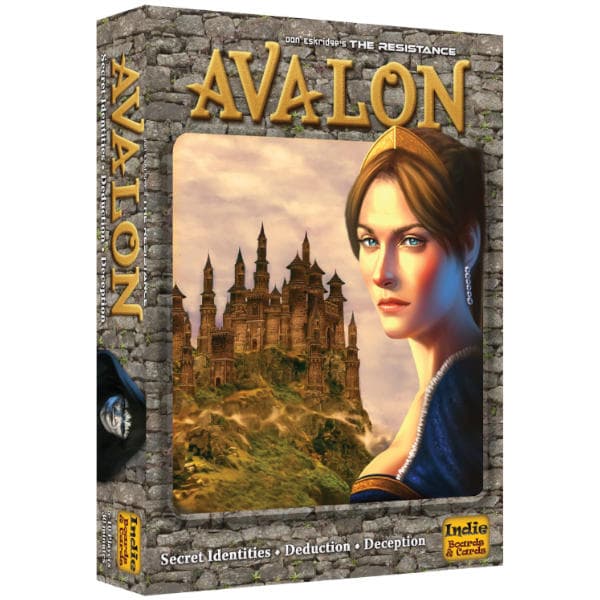
- Great for BeginnersThe Resistance: Avalon(5-10 players)
Hidden-role deduction set in Arthurian legend. At the start, everyone secretly finds out if they're loyal to Arthur or a Minion of Mordred. Then you play five missions. Each round, a team leader proposes a group to go on the mission. Everyone votes to approve or reject the team. If approved, the team secretly plays success or fail cards. The loyal players always play success. The Minions can play fail to sabotage missions. Three successful missions and the good side wins. Three failed missions and evil wins. The meat of the game is the team selection and the voting. Who proposed whom, who approved what team, who was on the mission that failed — every decision is information, and the table is constantly arguing about it. Avalon adds special roles on top of the base Resistance: Merlin knows who the evil players are but has to be subtle about sharing that information. Because if the good team wins, the Minions get one final shot — they can assassinate Merlin and steal the victory. Percival knows who Merlin is and tries to protect them. Morgana pretends to be Merlin to confuse Percival. This extra layer makes Avalon feel much sharper than the basic Resistance. The endgame assassination attempt means the good team can't just follow Merlin's lead blindly — doing so paints a target. Plays 5-10. The 5-player game is tight and logical. The 7-8 player game is louder and more chaotic. Both are good. Rounds take 30 minutes and almost always result in someone demanding a rematch.
Best Social Deduction Games for Big Groups
If your group grows past six players, social deduction games are often the first thing people reach for. They accommodate large counts, force everyone to talk, and don't need a sprawling table setup.
But the genre has evolved far beyond basic Werewolf and Mafia. Older games suffered from player elimination (nobody wants to drive 40 minutes to a game night only to sit out for an hour) and a lack of actual deduction. Too often, rounds devolved into shouting matches based on nothing.
Here are the games that fixed the formula and give large groups something to work with.
Blood on the Clocktower
If you have 10 to 15 people and an entire evening, Blood on the Clocktower is the genre's current peak. Yes, people still "die", but death isn't elimination. Dead players still talk, still strategise, and keep their one remaining vote to use when it matters most.
A Storyteller runs the game in real time, feeding information to players through unique character abilities. The good team solves an actual logic puzzle based on who learned what, while the evil team sows misinformation by poisoning players' abilities. It requires commitment, but it delivers an experience you'll be talking about for weeks.
Deception: Murder in Hong Kong
When you have 6 to 8 people and only 20 minutes, Deception is the answer. It strips away the long night phases where everyone closes their eyes, and replaces them with a physical puzzle on the table.
The murderer hides in plain sight while a silent forensic scientist points the group toward them using abstract scene tiles. Because the clues are public, the conversation never stalls. Quiet players don't have to invent a charismatic defence. They can just point at the tiles and say "the cause of death was illness, why are you suspecting the guy with the axe?"
Secret Hitler
Despite the provocative theme, this is one of the tightest social deduction games made. It plays well at 7 or 8 players.
The twist is the policy deck. The government has to pass laws by drawing cards, but the deck is stacked with fascist policies. When a bad policy gets passed, the two people in charge blame each other, and the rest of the table has to parse the statistics of the deck to figure out who is lying. It creates a paper trail of hard data that players can analyse, giving the deduction real weight.
The Resistance: Avalon
Avalon adds distinct roles to the basic Resistance framework. Merlin knows who the bad guys are, but if the good guys win, the bad guys get one chance to assassinate Merlin and steal the victory.
This means the person who possesses all the information has to play badly on purpose to disguise themselves, while another good player tries to draw fire by acting like Merlin. The psychological layers pile up fast. With 7 to 10 players, the voting phase becomes an intensely paranoid standoff.
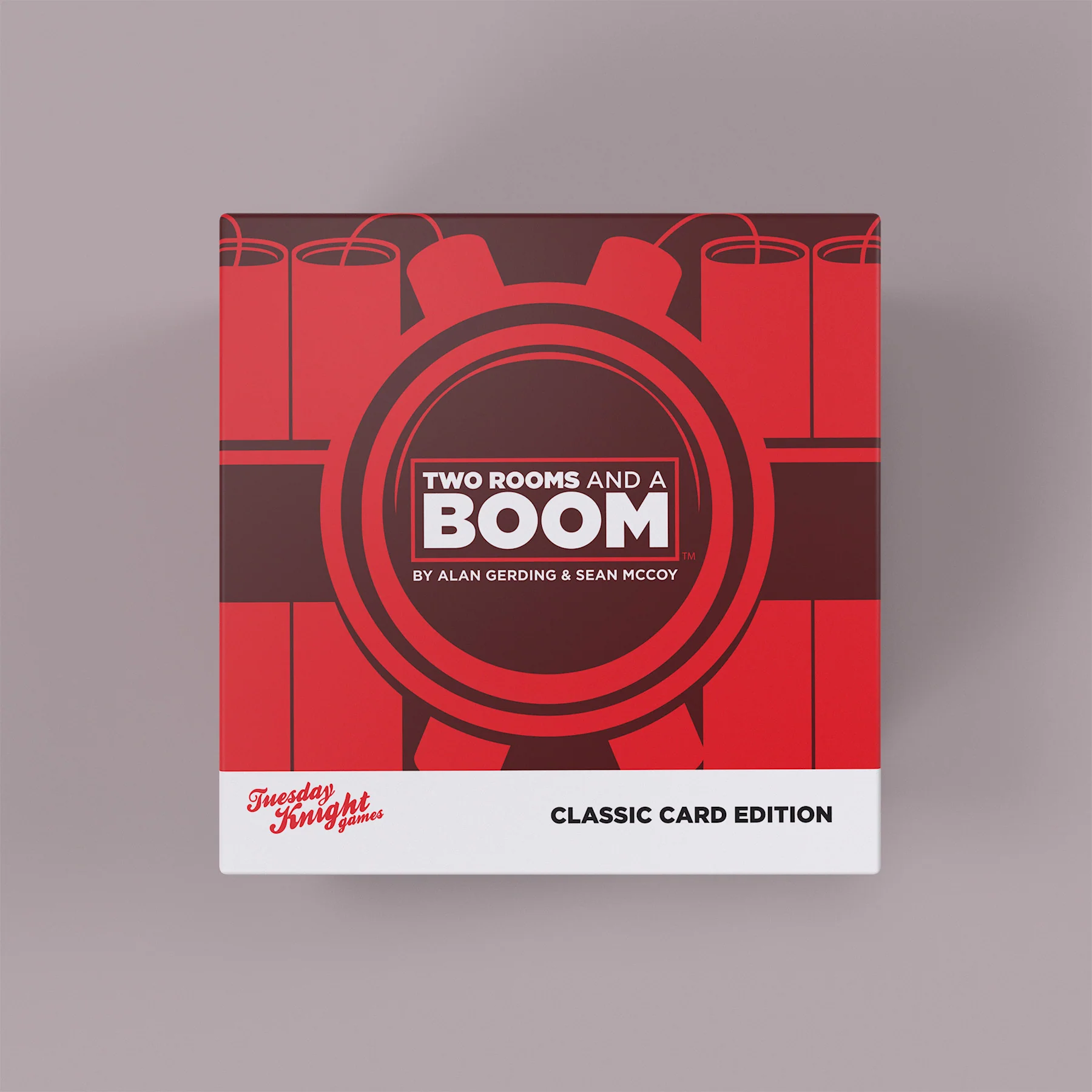
Two Rooms and a Boom
Designed for truly massive groups (10 to 30 players), this game requires two separate rooms.
Players spread themselves out, and the leader of each room negotiates exchanges before a literal timer runs out. The Blue team's President is trying to avoid the Red team's Bomber. It feels less like a traditional board game and more like an immersive event where side conversations, secret alliances, and blatant betrayals happen in real time in the hallway.
If this helped, you might also want to read our guides on best board games for large groups, games similar to Codenames, best games for 10 players.
Not sure which one to pick?
Answer a few quick questions and get a direct recommendation for your group.
Find the right gameLooking for Board Games & Game Night Recommendations?
Explore our group game finder, strategy guides, and game reviews.
🎲 Games in this guide