10 Great Party Board Games for 6–8 Players
You've got seven people coming over and need games that hit the table fast, take three minutes to explain, and keep everyone in the game. Here are ten that actually work.
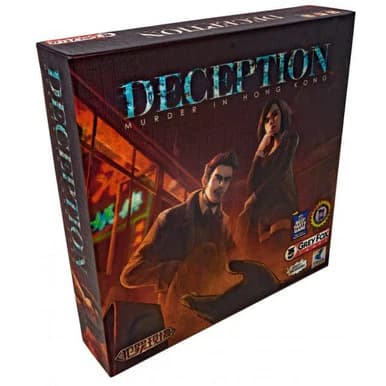
- Best OverallDeception: Murder in Hong Kong(4-12 players)
One player is the forensic scientist. They know who the murderer is and what weapon and evidence they used — but they can't speak. Instead, they place tokens on abstract clue boards (things like "cause of death" or "location") and hope the room figures it out. Everyone else is an investigator, talking through the clues, accusing each other, and trying to piece together the truth. Except one of them is secretly the murderer, trying to deflect attention. Rounds run about 20 minutes. The scientist places a clue, the table erupts in debate, then you vote. If you catch the murderer, the investigators win. If not, the murderer escapes. It works from 4 to 12 players, though 6-8 is the sweet spot where there's enough noise to hide in but not so many people that you lose track. The structure is what makes it better than most social deduction games. The scientist isn't just sitting there — they're actively trying to communicate. And the murderer isn't just denying things — they need to actively push suspicion onto someone else. It gives everyone a job, which keeps the table engaged.
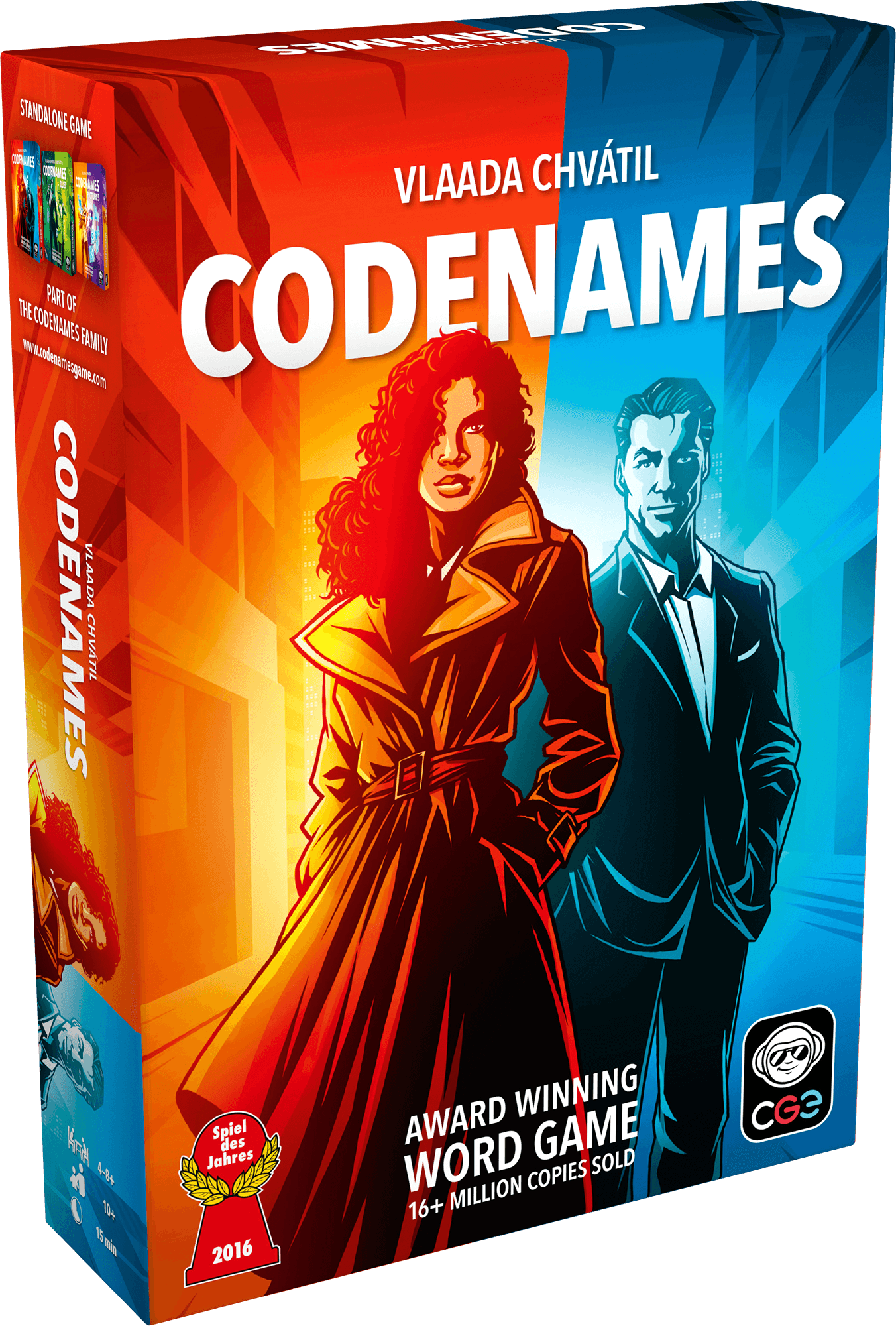
- Best for StrategyCodenames(2-8 players)
Two teams, each with a spymaster. The spymasters look at a key card showing which words on a 5×5 grid belong to their team. Then they give one-word clues followed by a number — like "Ocean, 3" — hoping their team picks the right three words. Pick a wrong word and you might hand a point to the other team. Pick the assassin word and your team loses immediately. The clue-giving is where the game lives: you're trying to find connections between your team's words that won't accidentally link to your opponents'. It works at any count from 4 to 8, and uneven teams are fine. Turns are fast because guessing is a group conversation, not a solo decision. The spymaster sits in agonised silence while their team debates whether "Ocean" means "Wave", "Blue", or "Fish". It's been around since 2015 and is still the default recommendation for a reason — the rules take 2 minutes, games last 15-20 minutes, and a good clue makes you feel like a genius. There's also a Pictures version and a Duet co-op variant if the original gets stale.
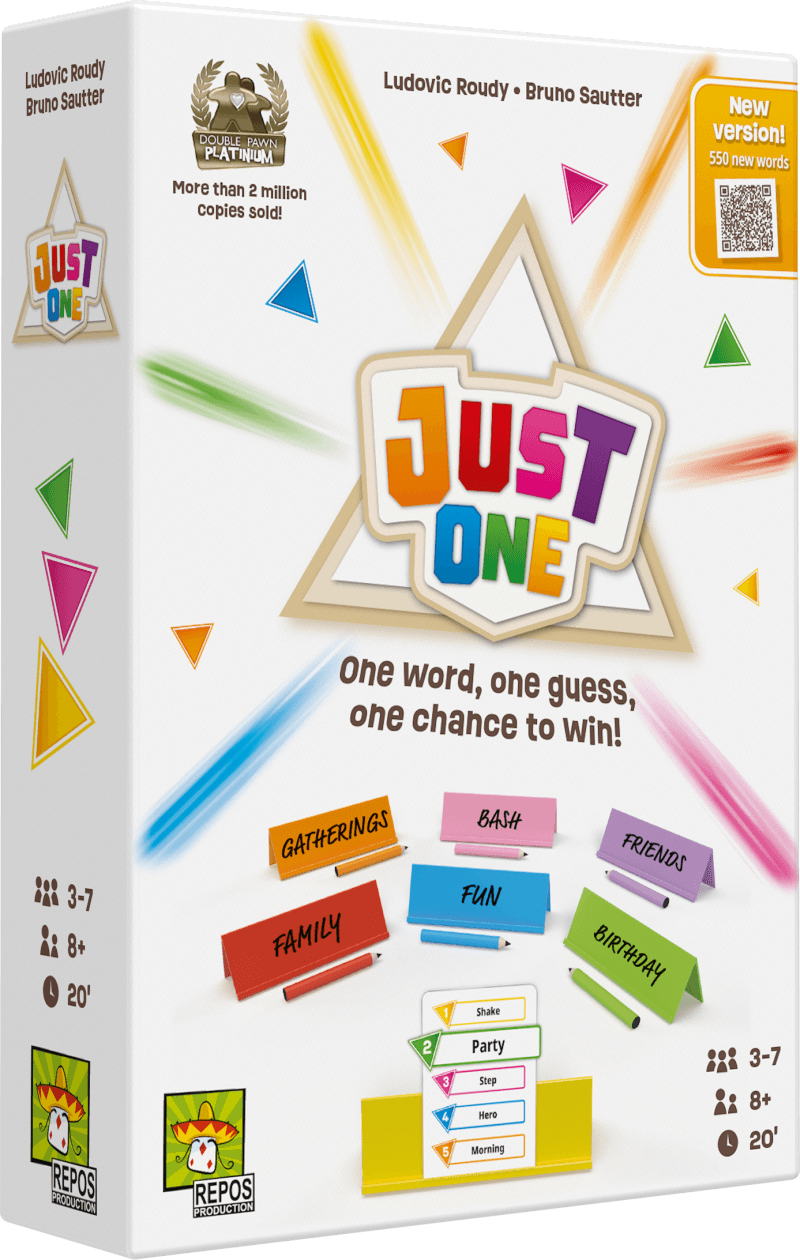
- Great for BeginnersJust One(3-7 players)
One player closes their eyes. A word card goes up — say, "Pyramid". Everyone else secretly writes a one-word clue to help the guesser. Before the guesser opens their eyes, you compare clues. Any duplicates get removed. So if three people wrote "Egypt", all three get cancelled. The guesser only sees the remaining clues. Maybe they're left with "Pharaoh" and "Triangle" and that's enough. Maybe everyone wrote the same thing and they get nothing. That's the whole game. No scoring track, no special powers, no complicated rules. You play 13 cards and count how many the guesser got right. The fun is in the duplicate-cancelling. You want to be helpful, but you also don't want to write the obvious clue that everyone else will write. It creates this tension where you're trying to outthink your own teammates — not to beat them, but to help them differently than everyone else. Works best with 5-7 players. Fewer than that and duplicates rarely happen, which removes the interesting part. It's a Spiel des Jahres winner and probably the single lowest-friction game you can bring to any social gathering.
10 Great Party Board Games for 6–8 Players
You've got seven people coming over. Four of them are board gamers. Three of them think board games mean a four-hour slog through rules they don't care about. You need games that hit the table fast, take three minutes to explain, and keep everyone engaged.
Here are ten party games that work at larger counts. No dragging turns, no complex scoring.
1. Wavelength
The best part of Wavelength isn't the guessing. It's the arguing. One player on your team knows where the target is on a spectrum between two concepts (like "Hot" and "Cold"). They give a single clue, and the rest of the team debates where to place the dial.
You'll find yourself listening to friends argue for five minutes over whether coffee is hotter than soup. It needs zero rules overhead and people can join or leave the table between rounds without breaking anything.
2. Just One
A cooperative word game that works because of a single brilliant rule: anyone who writes the same clue as someone else gets their clue cancelled.
If the guesser needs to guess "Apple", and three people write "Fruit", all three clues are gone. You're constantly trying to think of the second-most obvious connection, leading to bizarre clues that somehow still work. It's the ultimate "just one more round" game.
3. Deception: Murder in Hong Kong
Social deduction usually falls apart when someone gets eliminated early or when half the table is too shy to lie. Deception fixes both. Nobody dies, and everyone has a physical role to play with clues on the table.
The murderer tries to misdirect the investigation, while a silent forensic scientist uses abstract scene tiles to guide the rest of the players to the truth. Because the clues are right there on the table, it gives quiet players something concrete to point at when they accuse someone.
4. Codenames
There's a reason this game is everywhere. Spymasters give one-word clues pointing to multiple words on a grid. Their teams try to guess the right words without picking the assassin card.
The fun lives in the silence of the spymaster watching their team talk themselves out of the right answer and into a catastrophic mistake. It scales perfectly to 8 players.
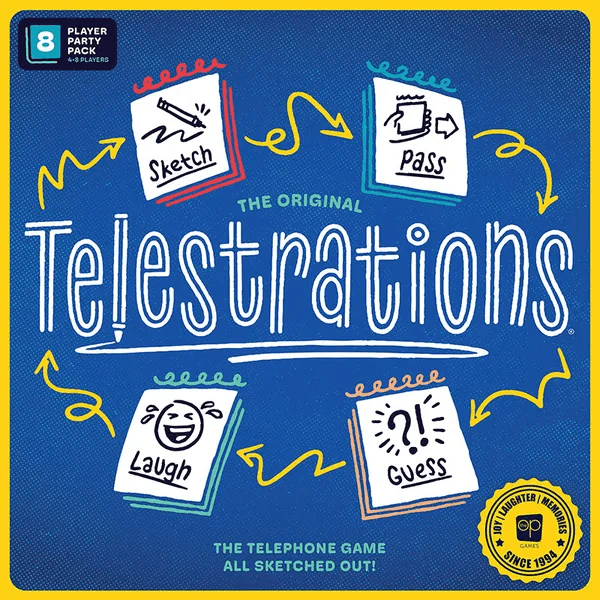
5. Telestrations
Telephone, but with drawing. You get a word, draw it, pass the booklet, and the next person guesses what you drew in words. Then the next person draws that guess.
By the time the book comes back to you eight players later, "Hot Dog" has somehow become "Darth Vader on a Bicycle." There is technically scoring, but nobody uses it. The entire point is the reveal at the end of the round.
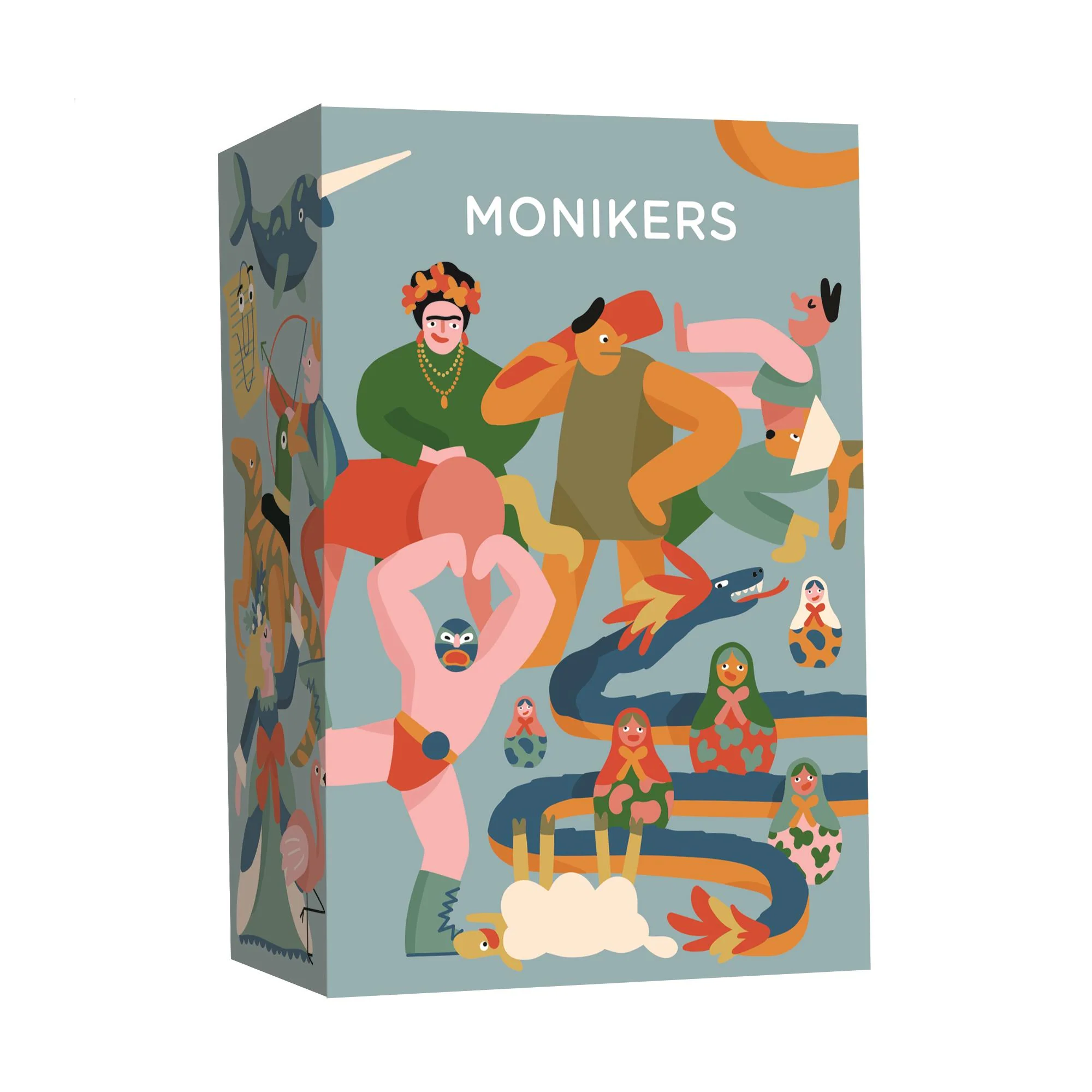
6. Monikers
A three-round guessing game using the same set of cards. Round 1: say anything to describe the name on the card. Round 2: say only one word. Round 3: charades.
Because you use the same deck every round, the game is about building a shared language with the people at the table. A wild flailing gesture in round three brings down the house because everyone remembers the botched explanation from round one.
7. The Chameleon
Everyone knows the secret word except one person. You take turns saying one related word to prove you know it, without making it so obvious that the Chameleon figures it out.
It plays fast. Rounds last 3 to 5 minutes. It's the perfect filler between bigger games or while waiting for pizza to arrive.
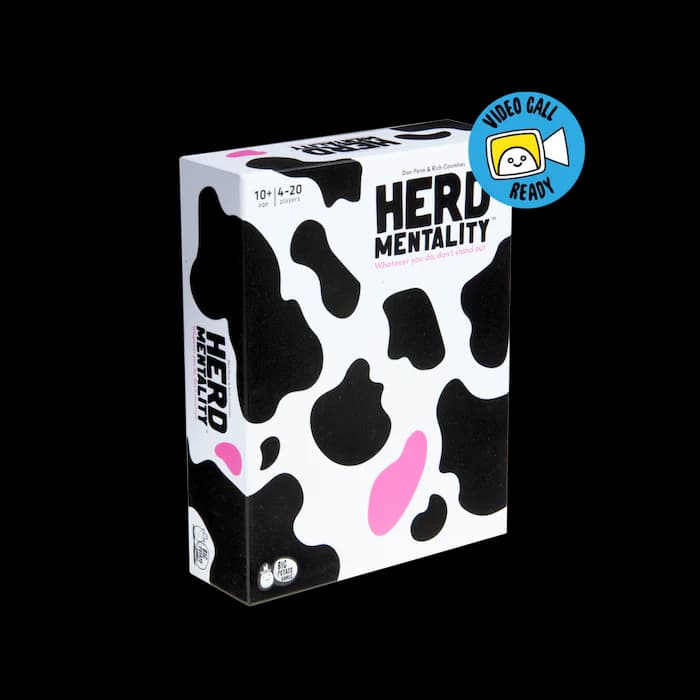
8. Herd Mentality
You are asked a question. You don't write the most accurate answer. You write the answer you think everyone else will write.
If you're the odd one out, you get the pink cow token and can't win until you get rid of it. The meta-layer of trying to be perfectly average leads to hilarious over-thinking.
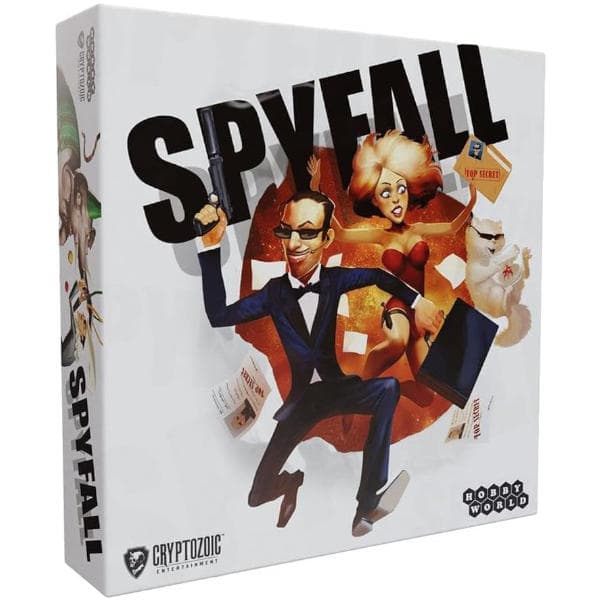
9. Spyfall
Similar to The Chameleon, but entirely dialogue-driven. Everyone receives a location card except the spy. Players ask each other questions to identify the spy, while the spy tries to figure out where they are based on the answers.
It demands a bit more creativity than other party games, which makes it satisfying when you corner the spy with the perfect question.
10. A Fake Artist Goes to New York
Everyone draws the same thing together on one piece of paper, adding one single line on their turn. The Fake Artist doesn't know what they're supposed to be drawing, so they have to confidently add a line that looks like they belong.
It plays almost identically to The Chameleon but as a drawing game, and the final piece of tentative, suspicious art is always worth a photo.
If this helped, you might also want to read our guides on best board games for large groups, best games for 8 players, Christmas family board games.
Not sure which one to pick?
Answer a few quick questions and get a direct recommendation for your group.
Find the right gameLooking for Board Games & Game Night Recommendations?
Explore our group game finder, strategy guides, and game reviews.
🎲 Games in this guide